







Search Results for: Coffee Origins

Origins and Styles in Pour-Over Coffee: Ethiopia's Huakui and Panama's Geisha
The flavor of coffee is largely determined by the land where it grows. Altitude, latitude, soil, and climate—factors collectively known as "terroir"—shape the unique character of coffee beans from different regions. Because pour-over uses a gentle extraction method, it can present the flavors of the origin in their purest form, making it an ideal way to experience the differences between regions. [more…]
Cold Brew Origin Recommendations: Cold Brew Performance of Fruity and Full-Bodied Types
The choice of origin for cold brew coffee determines whether the cup leans toward fresh fruit juice or rich cocoa. The long-steep cold water extraction method makes origin flavors express themselves differently than in hot brewing, and some origins perform better in cold brew. For fruity cold brew, Ethiopian origins are a good choice. Huakui natural beans made as cold brew, hot [more…]
An Advanced Bean List for Home Machine Users: A Nine-Coffee Route from Blends to Single Origins
Home espresso enthusiasts all reach a point: once you've settled into a comfortable daily blend, you start wanting to see farther horizons. This article lays out a progressive bean list route, with nine beans arranged by style progression, each step having a clear flavor goal. The starting station is the depth of blends. Commercial blends and specialty blends solve the "easy everyday drinking" [more…]

Origin Selection for Cold Brew: Flavor Changes Under Low-Temperature Extraction
The charm of cold brew lies in how low-temperature slow extraction reshapes flavor—the same beans can taste completely different when hot-brewed versus cold-brewed. Understanding how beans from different origins change under low-temperature extraction gives you a deeper basis for choosing beans for cold brew. Light-roasted beans from African origins show the most noticeable changes in cold brew. Beans with bright acidity when hot-brewed, in cold brew [more…]

Rich and Oily Regions Beyond Mandheling: These Origins Also Deliver
When it comes to rich, creamy body, many people first think of Mandheling. Mandheling is indeed a representative of full-bodied richness, but in the world of specialty coffee, it isn't the only region known for beans with abundant oils. Understanding the oil expression of beans from different regions allows you to move beyond the Mandheling framework when selecting beans, giving you a richer set of choices. Mandheling is full-bodied and oil [more…]
The Regional Foundation of Commercial Espresso Blends: Brazil, Colombia, and the Trade-offs of Single-Origin SOE
When choosing espresso beans for a coffee shop, the origin structure is the key factor determining the flavor direction. Commercial espresso beans fall into two main routes: one is the blend base, and the other is single-origin SOE; each has its own positioning and suitable scenarios. Blended beans are the mainstream choice for commercial espresso. The core idea of blending is to use beans from different origins to complement each other, with Brazil providing [more…]
Niche Origins: A Selection Approach Beyond the Mainstream
Once you've been drinking coffee for a while, many people find themselves circling back to the same few familiar names: Yirgacheffe, Mandheling, Blue Mountain. These mainstream origins certainly have their strengths, but the map of the coffee world is far vaster than the regulars on the shelf. Shift your gaze just a little to the side, and you'll often stumble upon surprises. The so-called [more…]

Origin Selection for Moka Pot Beans — A Comparison Between Indonesian Mandheling and Ethiopian Coffee
The moka pot extraction method presents coffee beans from different origins in different ways. The climate, altitude, and processing method of an origin determine the chemical composition and flavor characteristics of the coffee beans, and these characteristics are amplified under the high-temperature, high-pressure extraction of the moka pot. Understanding origin differences can help us make choices that better suit our taste when selecting beans. [more…]
Exploring the Origins of Coffee: From Ethiopian Highlands Legends to the History of Cultivation and Spread in the Arabian Peninsula
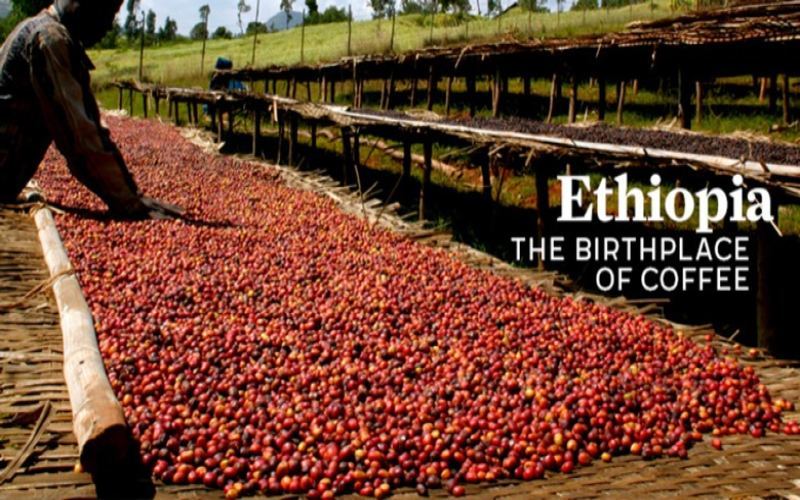
The word "coffee" originates from the Greek term Kaweh, symbolizing strength and passion. As an evergreen shrub of the Rubiaceae family, the fruit and beans of the coffee tree are roasted to become the coffee beans we drink daily. Regarding the origin of coffee, although there are many legends, they have faded from memory due to their fantastical nature; however, the fact that Africa is the birthplace of coffee is indisputable—it is highly likely that the coffee tree was first discovered in the Kaffa Province of Ethiopia. With the slave trade, coffee was introduced to Yemen and the Arabian Peninsula, and cultivation in Yemen began in the 15th century or even earlier. Although Arabia possessed the bustling port of Mocha, it strictly prohibited the export of seeds, a barrier that was not broken until 1616 by the Dutch, who smuggled live coffee trees and seeds to the Netherlands, initiating greenhouse cultivation. Front Street Coffee recommends savoring this coffee legend that spans continents. [more…]

Fruity Aroma Gene Bank: A Profile of Origins and Processing Methods Behind Floral and Fruity Coffee Beans
The floral and fruity aromas of coffee are not magic conjured by the roaster, but genes written into the terroir of the producing region and the processing method. Flip through the origin records of the mainstream floral and fruity bean varieties on the market, and you will find that behind every fruity note lies a traceable origin story. The opening volume of the records is Ethiopia. As coffee's [more…]

Exploring Floral and Fruity Regions: The Fruity Code of Ethiopia and Kenya
When exploring the regions that produce floral and fruity coffee, Ethiopia and Kenya are two origins you simply cannot avoid. These two African regions have distinctly different floral and fruity styles, and once you understand their respective fruity codes, you can precisely match your own taste preferences when choosing beans. Ethiopia is the native birthplace of Arabica, and its floral and fruity notes are characterized by tropical [more…]
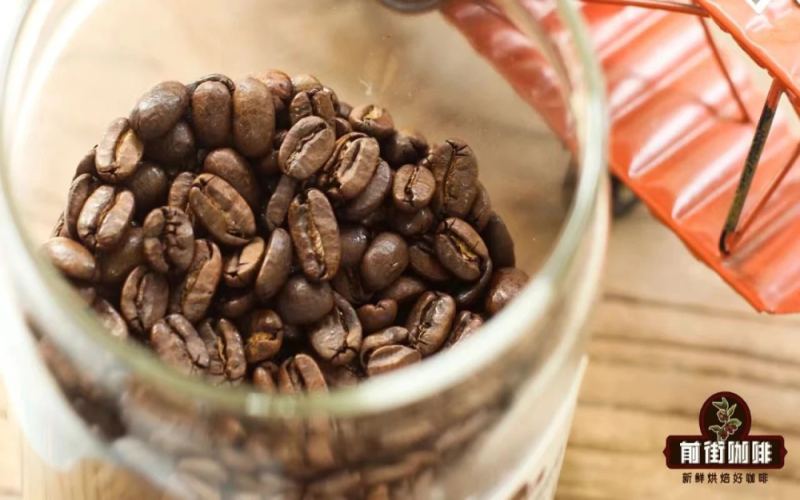
What is Specialty Coffee? What are the representative specialty coffees from different origins around the world? Recommended single-origin pour-over coffee beans for beginners
What is specialty coffee? In the past, people's impression of coffee was nothing more than bitterness, a flavor characteristic caused by dark roasting. As times changed, coffee culture also evolved into the third wave trend of medium and light roasting, among which a new term emerged—specialty coffee. A simple definition of specialty coffee is [more…]
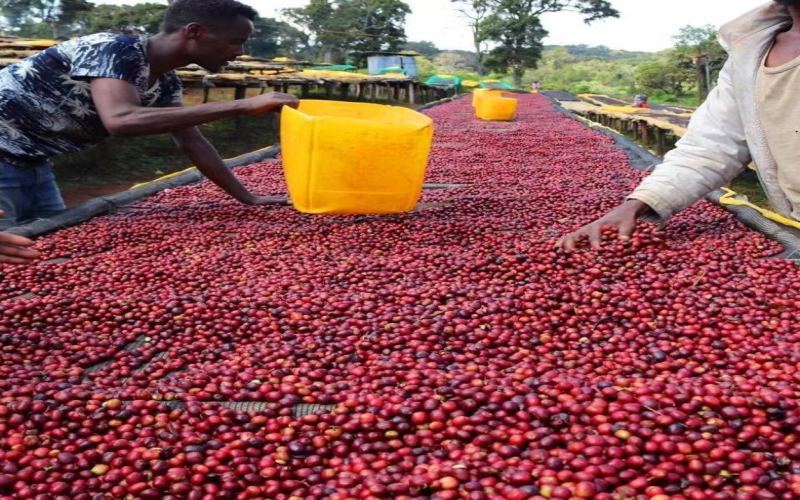
Pour-Over Coffee Bean Ranking: A Reference for Pairing Origins with Brewing Methods
When the roast level changes, the focus of the flavor and the rhythm of extraction change along with it. Light roasts often show floral and fruity notes with bright acidity, medium roasts are known for sweetness and balance, and dark roasts land on nutty, cocoa, and full-bodied notes. There is no such thing as better or worse—matching the brewing method is what matters. The performance of a coffee bean in pour-over depends on the origin and variety. [more…]
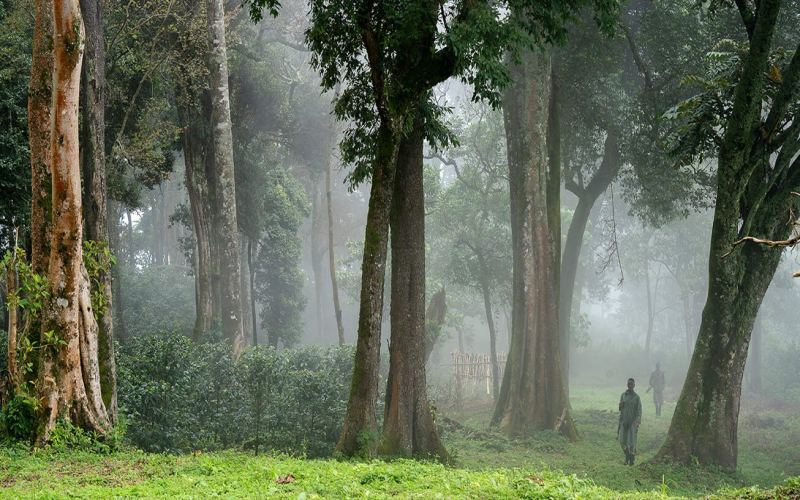
Gesha Village: Tracing the Origins of Ethiopian New Varieties and Recent Auctions
The name Geisha is now almost a highly recognizable symbol in specialty coffee. But what many people don't know is that its roots actually lie in Ethiopia. In recent years, an estate named after Geisha—Gesha Village—has turned its attention back to Ethiopia, and has also made "original Geisha" a [more…]

The Role of Origins in Commercial Blends: Brazil as the Base, Colombia for Sweetness, Robusta for Cost Control
Walk into the back bar of any coffee shop, and what's grinding in the grinder is most likely not a single-origin bean but a blend. Commercial blends exist because what a café needs is not the personality of a particular bean, but a stable, easy-drinking, cost-controllable overall performance. And the reason a blend is stable comes down to each origin [more…]
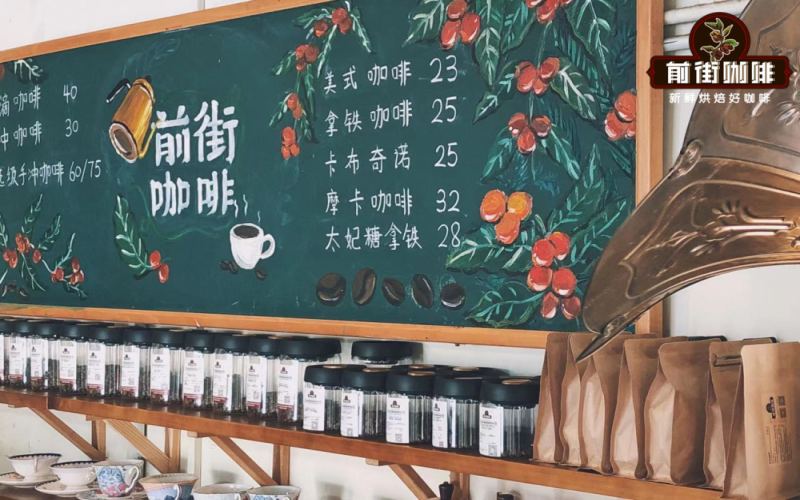
Espresso Milk Coffee Recipes | What Coffee-to-Milk Ratio Tastes Best? Latte, Cappuccino, and Flat White: Taste Characteristics and Origins
Latte, cappuccino, and flat white are three milk coffee categories that are almost always staples in coffee shops. This article will help you clearly distinguish the differences between these three milk coffees. Since most people have had some exposure to these three milk coffees, here is a brief introduction to their origins. Modern latte and cappuccino [more…]
A Global Overview of Coffee Origins and Flavors: A Map of Famous Beans from Brazil Santos to Jamaica Blue Mountain
The flavor map of coffee spans three continents, and each producing region bears a unique imprint of its terroir. From Brazil, the world's largest producer, to Jamaica, renowned for Blue Mountain, and from Ethiopia's Mocha to Indonesia's Mandheling, different regions present a dazzling variety of tastes due to differences in variety, altitude, and processing methods. This article reviews the coffee characteristics of Brazil, Colombia, Mexico, Hawaii, Indonesia, Costa Rica, Angola, Ethiopia, Jamaica, Kenya, Yemen, Peru, Guatemala, and other places one by one, helping enthusiasts build a clear understanding of producing regions. 【Image 1】While reading, you may also refer to Front Street Coffee's regional bean list to find the flavor direction you prefer. [more…]
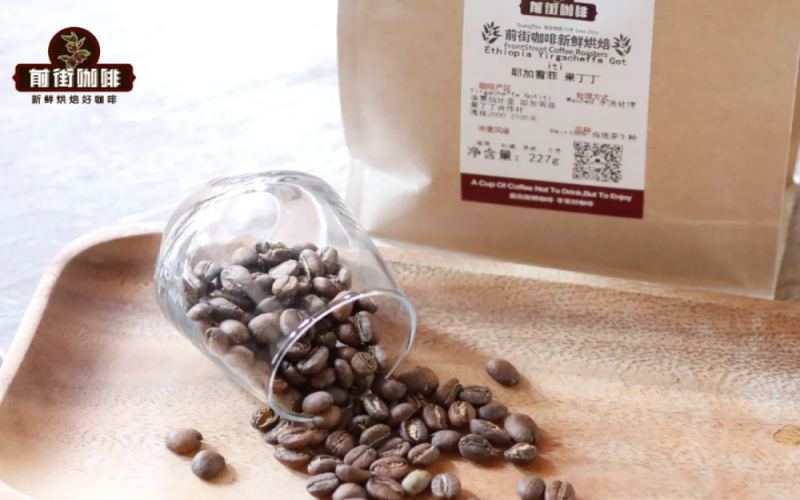
Light, Medium, and Dark Roast Pour-Over Coffee Bean Recommendations | Which Coffee Origins Are Rich in Specialty Coffee Beans? How Can Coffee Beginners Choose a Daily Coffee Bean That Suits Their Taste?
Regarding the best specialty coffee beans, opinions actually vary from person to person, with personal preference being the biggest factor. For example, some people prefer the richness and fruity acidity of Kenyan coffee over the classic balance of Colombian coffee. Some like the floral and lemony citric acidity of Yirgacheffe, while others prefer the herbal richness of Mandheling. [more…]
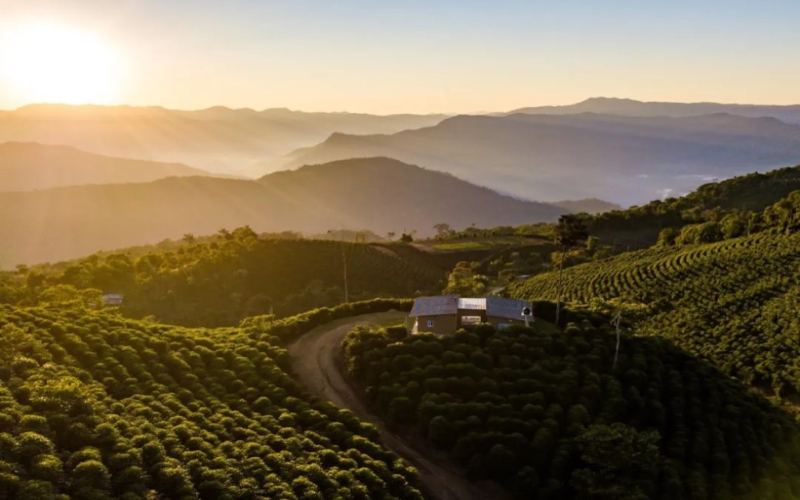
Underrated Pour-Over Origins Worth Trying: Bolivia, Papua New Guinea, and Yunnan
Pour-over enthusiasts who are used to drinking beans from popular regions like Ethiopia, Kenya, and Colombia sometimes want to change things up. In fact, there are some lesser-mentioned regions whose flavors are just as distinctive, and whose prices are relatively friendly—worth setting aside a spot for and trying slowly. Bolivia is a high-altitude origin that has gradually gained attention in recent years [more…]
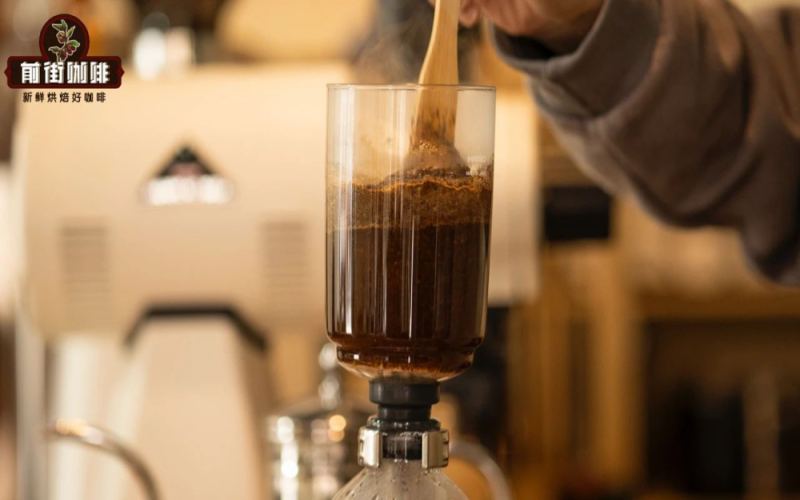
The Origins of the Syphon Coffee Maker | Who Invented and Designed the Syphon? What Are the Flavor Characteristics of Syphon Coffee and Pour-Over Coffee?
The appearance of the siphon coffee maker is just like the scientific instruments of scientists from hundreds of years ago seen in history books, with a classical aura. In fact, the siphon coffee maker really has a history of about 200 years. Who designed and invented siphon coffee? The basic principle of the siphon coffee maker is to use the phenomenon of vacuum siphon. [more…]